Common Padel Injuries and Padel Elbow Prevention
Updated August 10, 2026
Rapid braking, repeated overhead shots and frequent changes of direction create a recognisable pattern of padel injuries. This guide covers padel elbow, knee pain after padel, calf and ankle injuries, lower-back discomfort and shoulder pain.
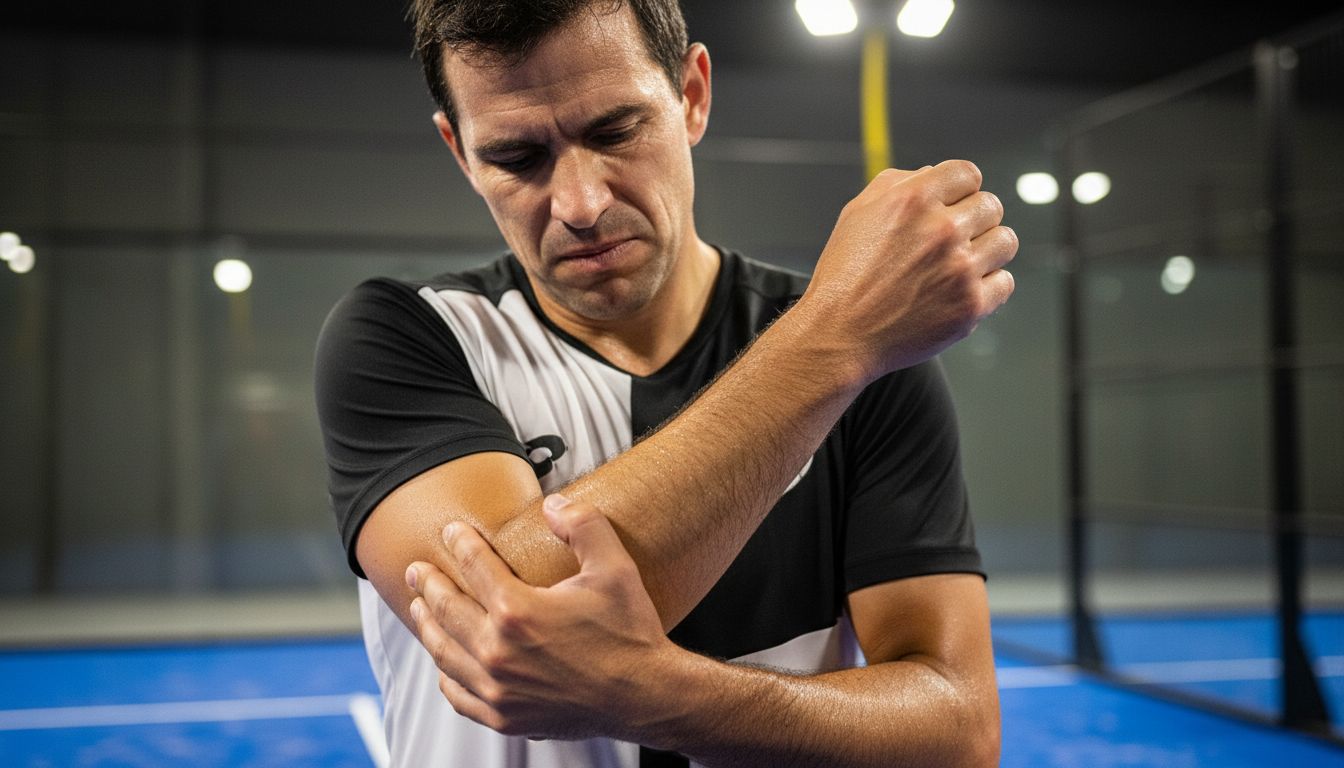
1. Padel Elbow (Lateral Epicondylitis)
Padel elbow is the common name for pain around the tendons on the outside of the elbow. Repeated backhands, grip tension, rapid increases in playing volume and racket setup can all contribute.
Prevention Tips:
- Check Racket Weight: A racket that is too heavy (or too head-heavy) puts strain on the wrist and forearm.
- Grip Size: Playing with a grip that is too thin forces you to squeeze tighter. Add an overgrip to relax your hold.
- Vibration Dampeners: Use specialized under-grips or dampeners to reduce shock transmission.
Choosing a Padel Racket for Tennis Elbow
If your elbow is sensitive, consider a manageable racket weight, neutral or lower balance, a forgiving sweet spot and a grip size that does not force you to squeeze. Equipment can change comfort, but persistent pain still needs assessment by a qualified professional.
2. Calf Strain & "Tennis Leg"
Sudden acceleration to reach a drop shot or rapid direction changes can cause tears in the calf muscle or gastrocnemius. This is common in players over 35.
Prevention Tips:
- Warm-up is Non-Negotiable: Cold muscles are brittle muscles. Spend 5 minutes raising your body temperature before hitting a ball.
- Hydration: Dehydrated muscles are more prone to cramping and tearing.
- Strength Training: Eccentric calf raises helps build resilience in the tendon and muscle belly.
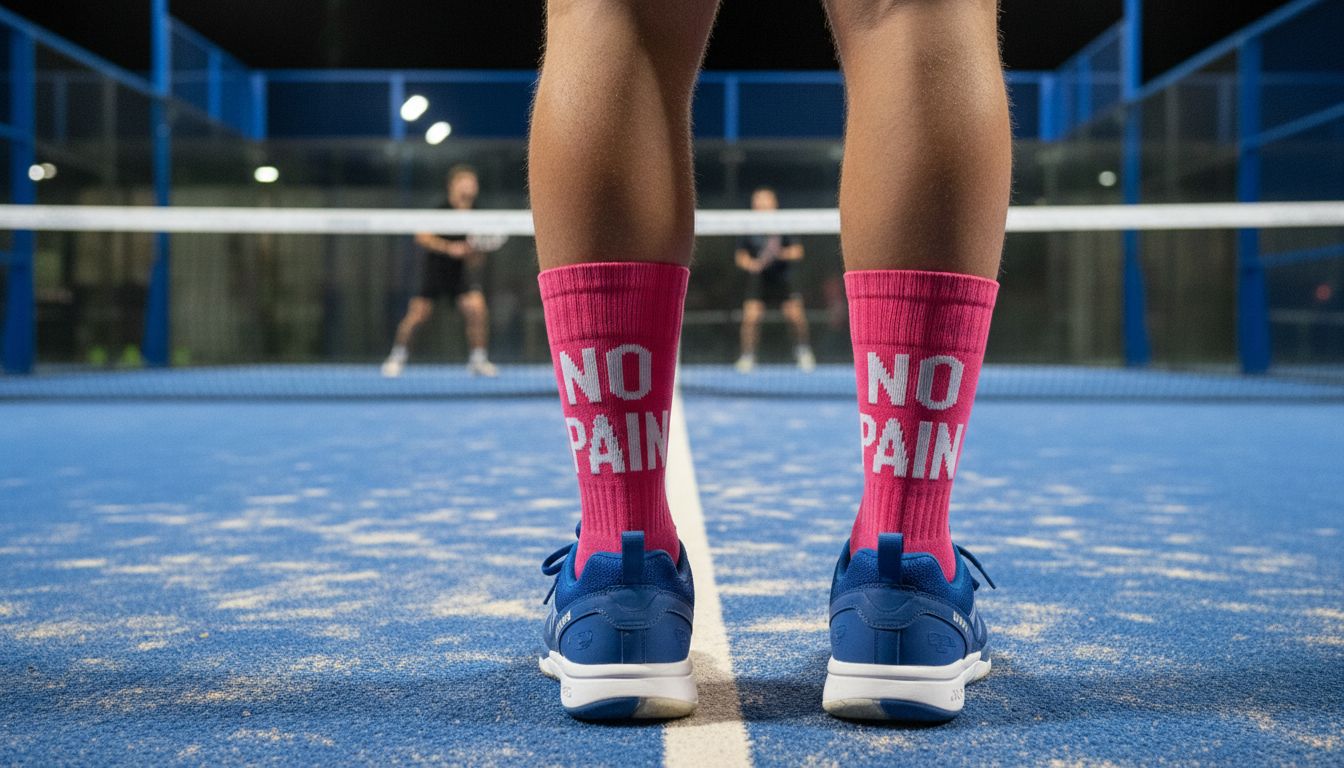
3. Ankle Sprains
Padel involves constant lateral (side-to-side) movement and turning. Stepping on a ball or rolling an ankle during a slide is a frequent occurrence.
Prevention Tips:
- Proper Footwear: Never play in running shoes. Wear padel or clay-court tennis shoes designed for lateral stability and grip on artificial turf.
- Proprioception: Balance exercises (standing on one leg) improve ankle stability.
4. Knee Pain After Padel
Knee pain after padel often appears around the front of the knee after repeated lunges, split steps and hard decelerations. A sudden increase in match frequency can expose a gap between the load on court and the strength or recovery your legs currently tolerate.
Prevention Tips:
- Increase Volume Gradually: Avoid jumping from an occasional match to several hard sessions per week without time to adapt.
- Strengthen the Whole Leg: Controlled squats, split squats, calf raises and hip-strength work can build capacity for braking and lunging.
- Warm Up Dynamically: Prepare the ankles, hips and knees before progressing to full-speed changes of direction.
- Check Footwear and Surface: Use shoes that provide lateral stability and appropriate grip for the court.
Stop playing and seek clinical advice if the knee is swollen, locks, gives way, cannot take weight or remains painful despite reducing activity.
5. Lower Back Pain
The repeated extension and rotation required for the Bandeja and Vibora shots, combined with bending low for defensive shots, puts immense load on the lumbar spine.
Prevention Tips:
- Core Stability: A strong core acts as a corset for your spine. Planks and anti-rotation exercises are essential.
- Thoracic Mobility: If your upper back is stiff, your lower back has to compensate by twisting more than it should. Work on t-spine rotation stretches.
6. Padel Shoulder Pain
Repeated smashes, bandejas and víboras can irritate the shoulder when match volume rises faster than strength and mobility can adapt.
Prevention Tips:
- Manage Overhead Volume: Increase training and match frequency gradually, especially after a break.
- Build Shoulder Capacity: Include controlled rotator-cuff and shoulder-blade strengthening in your weekly routine.
- Check Technique: A coach can help reduce unnecessary load during repeated overhead shots.
Warm up smarter, play longer
The Padel Recovery app features specialized warm-ups targeting these specific injury hotspots—Elbow, Knees, and Lower Back.
Download the AppDisclaimer: This information is for educational purposes. If you are experiencing persistent pain, stop playing and consult a medical professional immediately.
Sources
- Incidence, prevalence and nature of injuries in padel: a systematic review
- Match analysis, physical training, injury risk and rehabilitation in padel
- NHS: knee pain and when to seek medical help